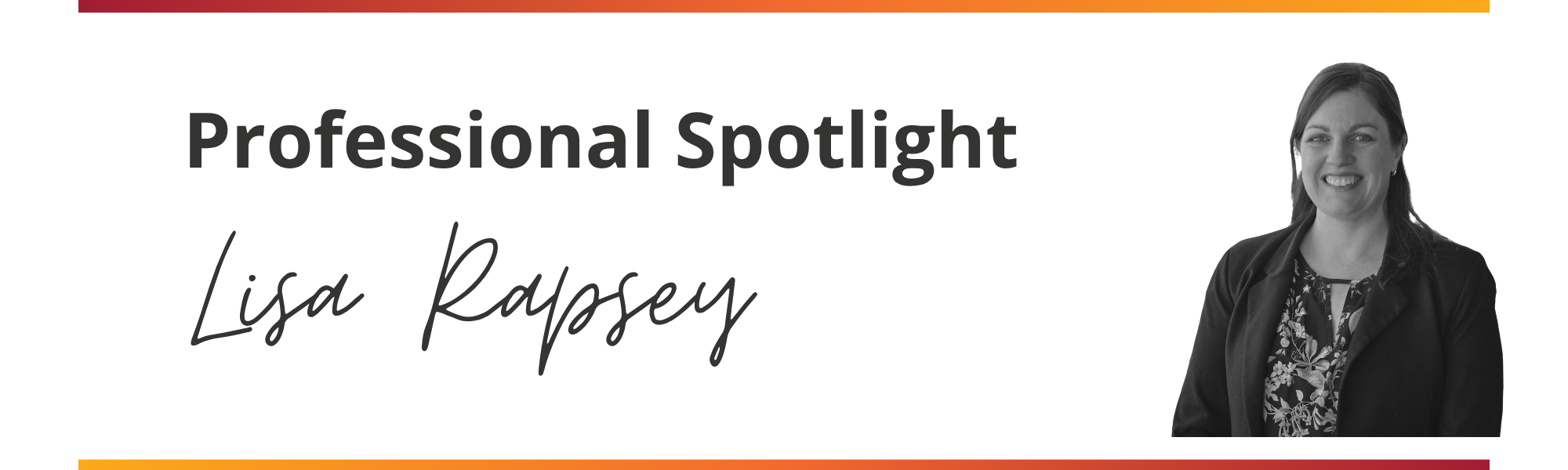
From her beginnings in disability employment services to becoming a Senior Rehabilitation Consultant in regional New South Wales, this interview explores a career built on compassion, resilience, and helping others overcome barriers following injury or illness. She discusses the importance of holistic, person-centred rehabilitation, the unique challenges of supporting regional communities, and the qualities that define an effective Rehabilitation Counsellor. She also reflects on the growing role of technology and AI, the need for greater awareness of the profession, and why authentic human connection will continue to be the foundation of successful rehabilitation counselling.
Please tell us briefly about yourself
My journey into rehabilitation counselling began in disability employment services, where I first saw the powerful impact the right support can have on a person's sense of purpose, independence, and wellbeing. I am now a Senior Rehabilitation Consultant with over 12 years' experience supporting people to rebuild their lives following injury or illness. Living and working in regional NSW has shaped my practice and strengthened my passion for helping people overcome barriers and achieve meaningful outcomes. Outside of work, I'm a mum to two daughters, a Cub Scout Leader, and someone who genuinely enjoys helping others be the best version of themselves.
How long have you been a Rehabilitation Counsellor?
I commenced in occupational rehabilitation as an Employment Consultant with RehabCo in 2015 and completed my Graduate Diploma in Rehabilitation Counselling through La Trobe University in 2022. Over the past decade, I have continued to develop my skills and experience across workplace rehabilitation, supporting individuals with a wide range of physical, psychological, and vocational challenges.
When did you decide to become a Rehabilitation Counsellor?
About a year after starting in occupational rehabilitation, I realised there was more I could do to support people beyond employment services alone. I was drawn to the holistic nature of rehabilitation counselling and the opportunity to bring together health, work, and wellbeing to help people navigate some of the most challenging periods of their lives. With young daughters at home at the time, it took a little while to take the next step, but the decision was an easy one once the timing was right.
How do you maintain your own wellbeing while supporting others?
Supporting others genuinely fills my cup and rarely feels like a job. Seeing people achieve goals and reconnect with meaningful work is incredibly rewarding. To maintain my own wellbeing, I regularly debrief with peers and colleagues, stay active through running and gym training, and volunteer as a Cub Scout Leader. These activities help me maintain balance while continuing to support others to thrive and grow.
What skills or qualities do you think are essential for a Rehabilitation Counsellor?
Compassion, empathy, communication, problem-solving, adaptability, and the ability to think creatively are all essential qualities. Rehabilitation Counsellors need to bring together health, work, and wellbeing while tailoring solutions to an individual's unique circumstances. Working in regional and rural communities has reinforced the importance of flexibility, collaboration, innovation, and building strong therapeutic relationships through genuine engagement.
What do you find most rewarding about Rehabilitation Counselling?
The most rewarding aspect is seeing people rediscover their identity, confidence, and future direction after injury or illness. Whether supporting medical recovery, vocational goals, or psychosocial wellbeing, it is incredibly rewarding to help individuals overcome barriers and achieve outcomes they may not have thought possible. I'm continually inspired by the resilience of the people I support and the tangible difference rehabilitation counselling can make in their lives.
How do you stay current in the field?
Ongoing professional development, networking with peers, and a commitment to lifelong learning. I also believe it's important to remain adaptable to emerging technologies, including AI, which can enhance efficiency and create more opportunities to focus on the human aspects of our role.
What are some of the challenging aspects you have faced, and how did you overcome them?
One ongoing challenge is that rehabilitation counselling is often misunderstood, with many people unsure of the breadth and impact of our profession. Working across regional and rural communities can also present challenges due to limited healthcare access, employment opportunities, and specialist services. These barriers require creativity, collaboration, adaptability, and strong relationships with clients, employers, insurers, and multidisciplinary teams to achieve meaningful outcomes.
What advice would you give a student member?
Develop your own unique approach and be authentic. Rehabilitation counselling offers flexibility to build a style that reflects your strengths and values. Set small goals, reflect regularly, seek support from the rehabilitation counselling community, and embrace opportunities to learn from experienced practitioners. Most importantly, remember that meaningful change often happens through genuine human connection.
How do you see the role of Rehabilitation Counsellors changing in the next 5–10 years?
I see the profession continuing to grow, becoming more recognised, understood, and accessible. As healthcare, workplaces, and technology continue to evolve, Rehabilitation Counsellors will play an increasingly important role in helping people navigate complex recovery journeys. Our ability to combine evidence-based practice, vocational expertise, and person-centred support positions us well to meet future workforce and community needs.
What are some of the misconceptions you have heard about the profession?
A common misconception is that Rehabilitation Counsellors only work with addiction or severe injuries such as traumatic brain injury. In reality, we support people with a broad range of physical, psychological, social, and vocational challenges. We work across multiple schemes and settings, helping individuals rebuild confidence, independence, participation, and overall wellbeing.
If you could change one thing about the system, what would it be?
I would like to see greater awareness, understanding, and access to rehabilitation counselling services. Earlier access to rehabilitation support and a better understanding of our profession would help more individuals benefit from holistic, evidence-based interventions that improve recovery, participation, and long-term outcomes.